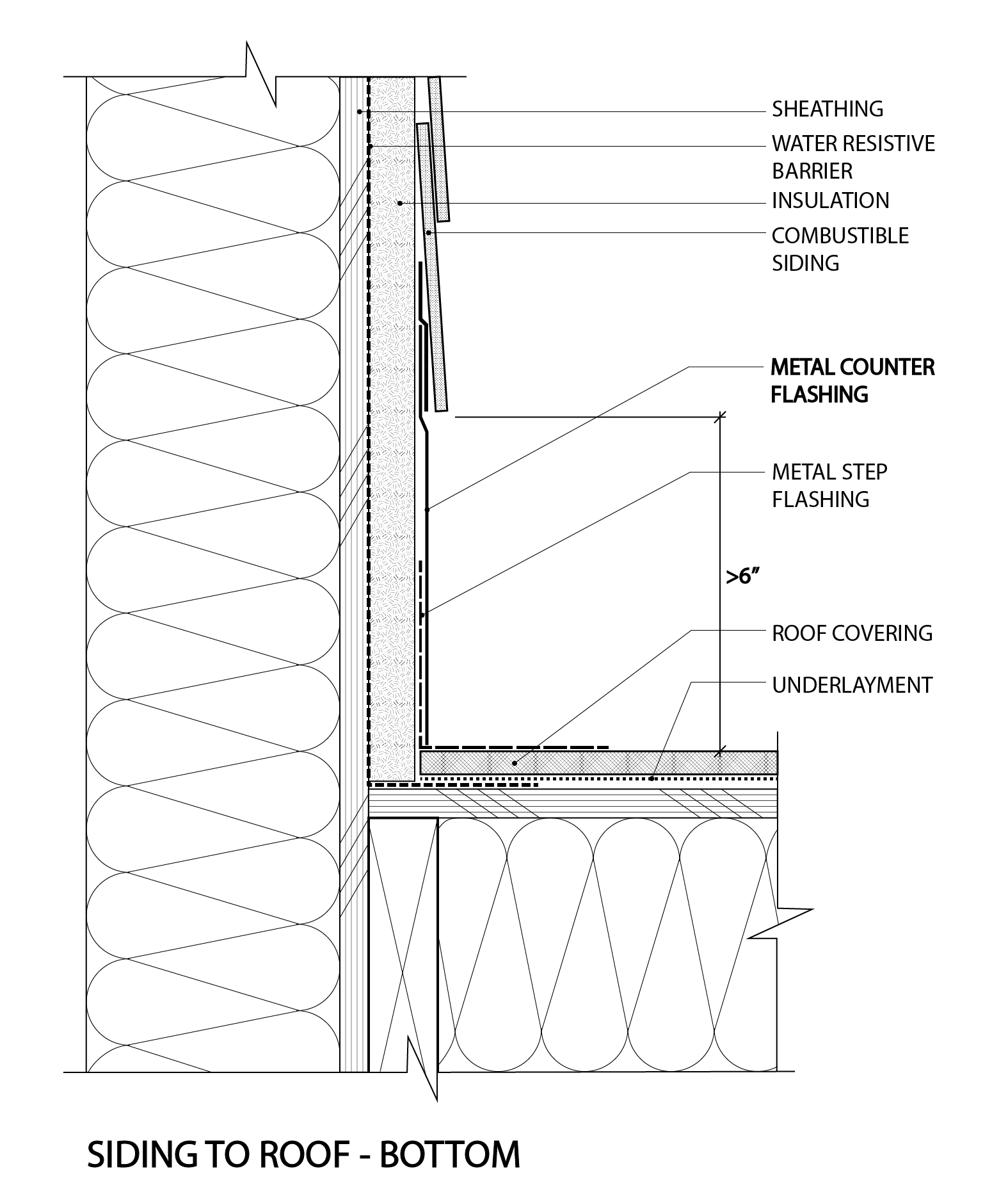
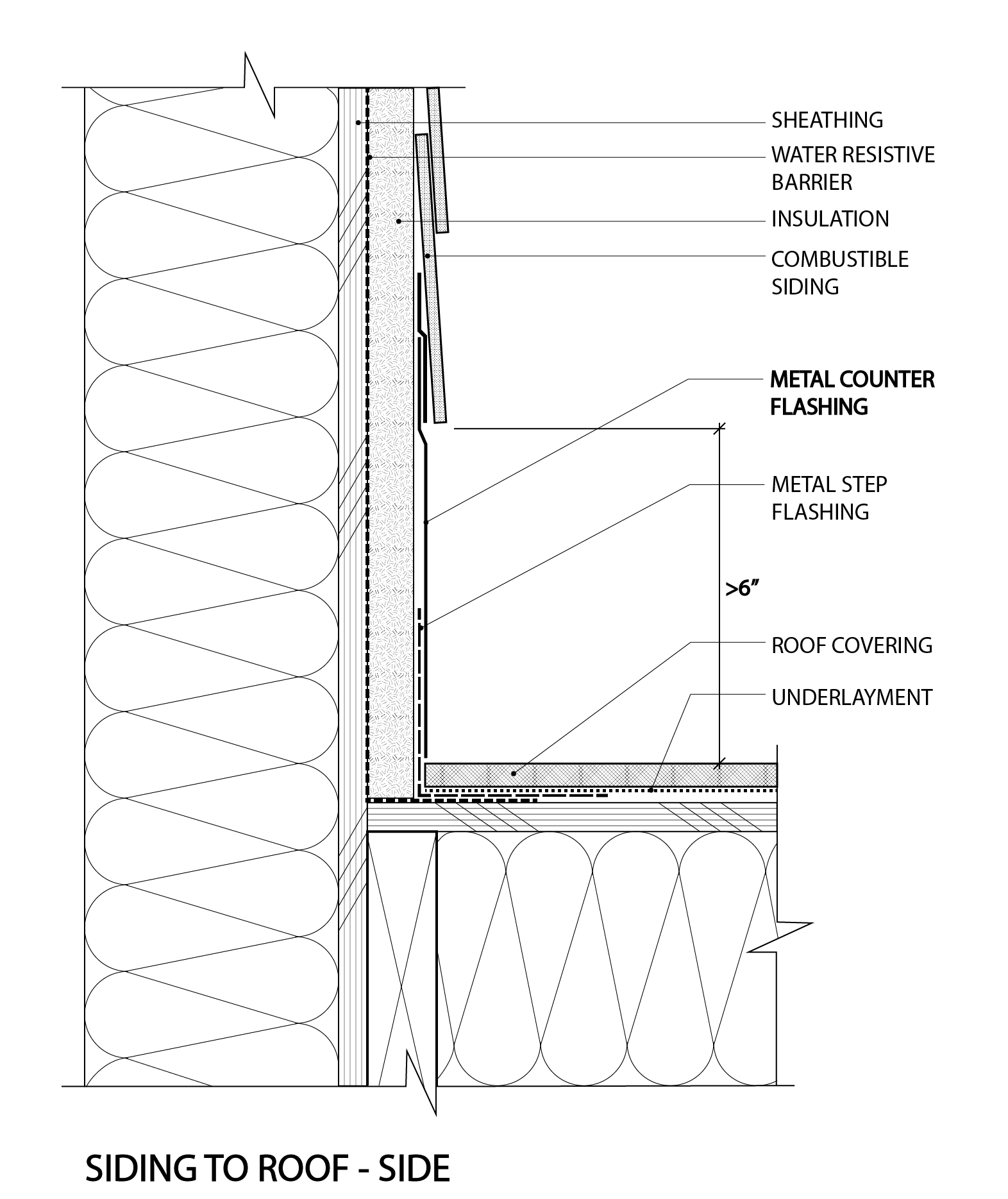
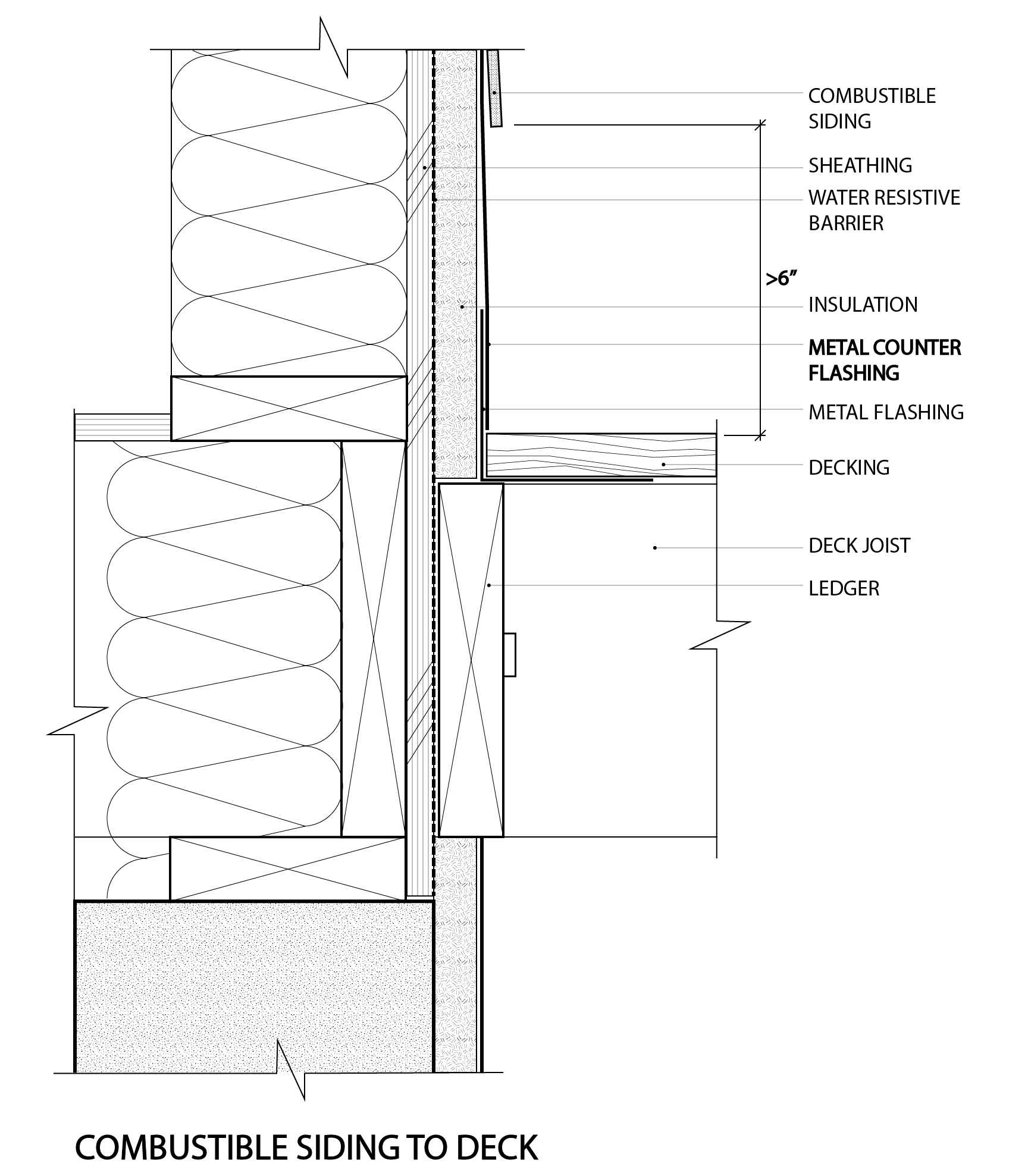
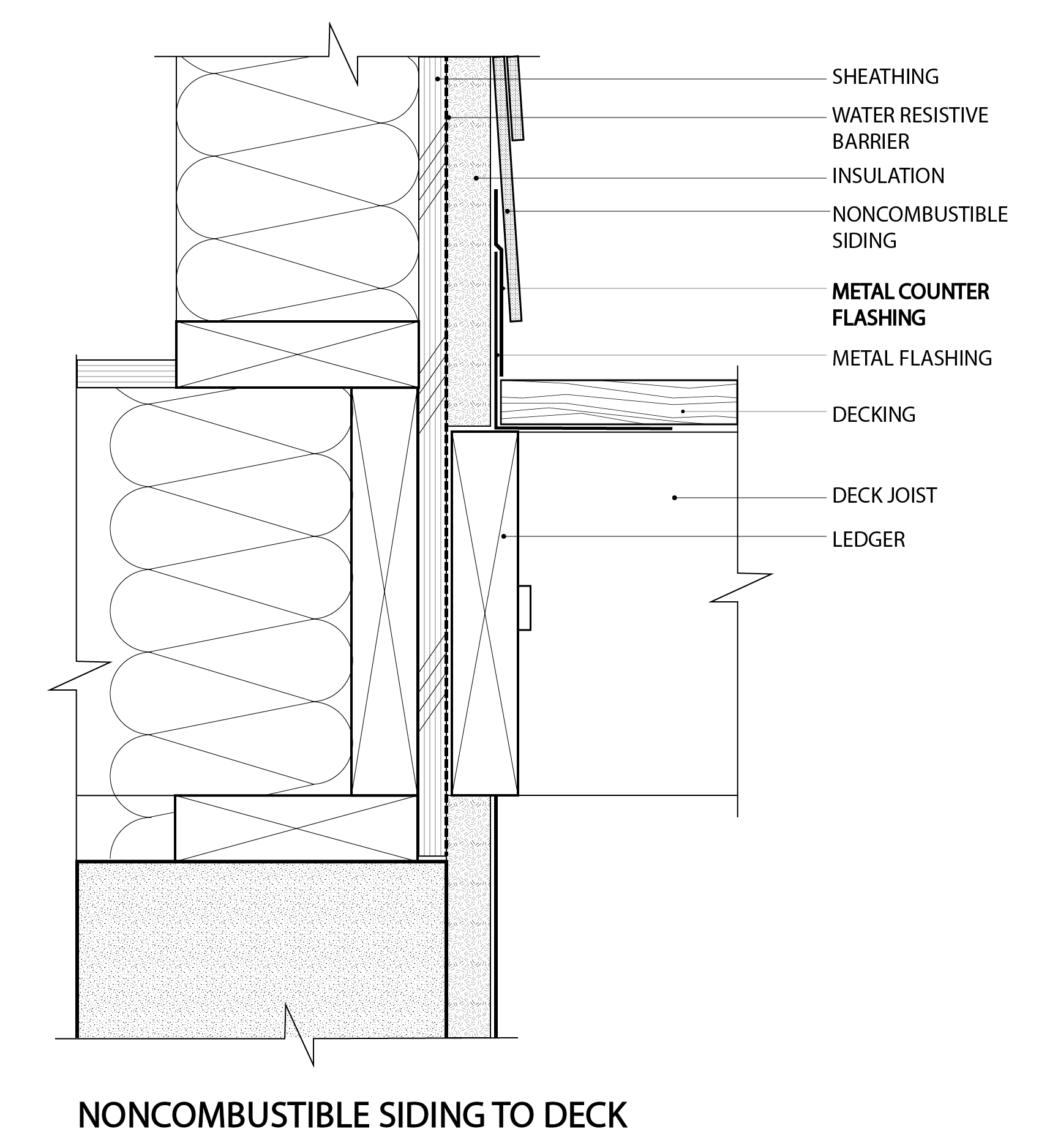
R390.4.6.2 Existing exterior walls.
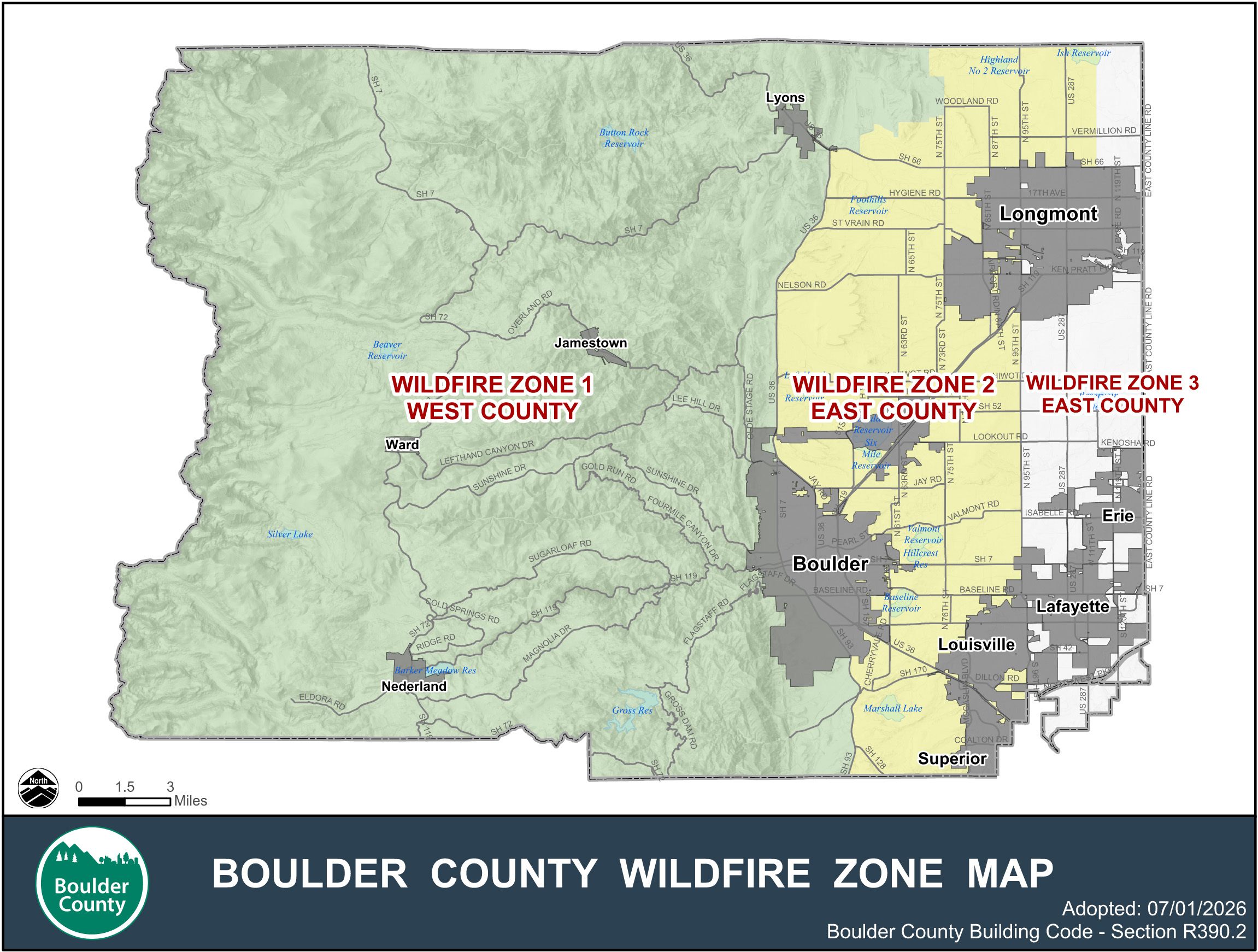
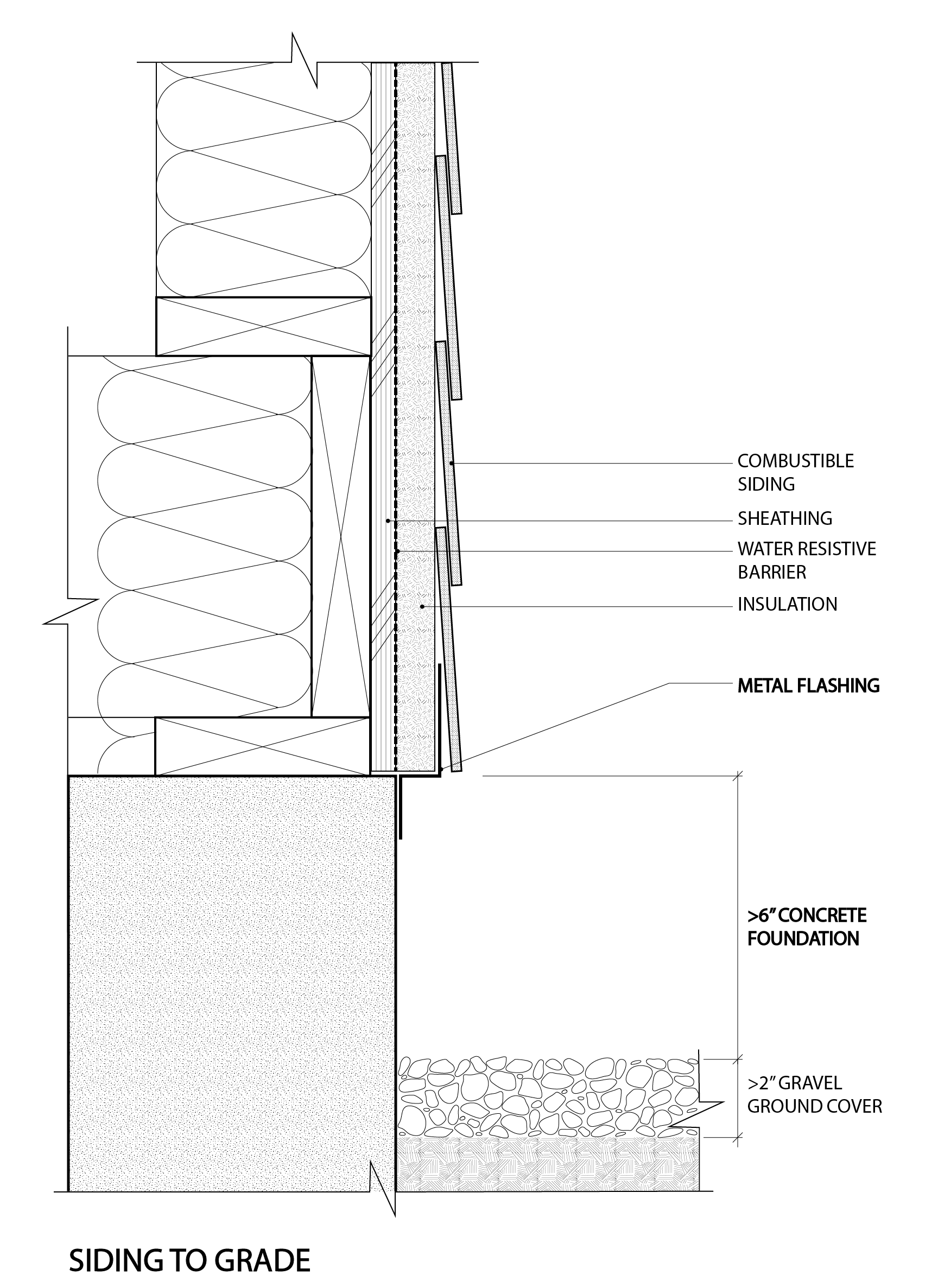
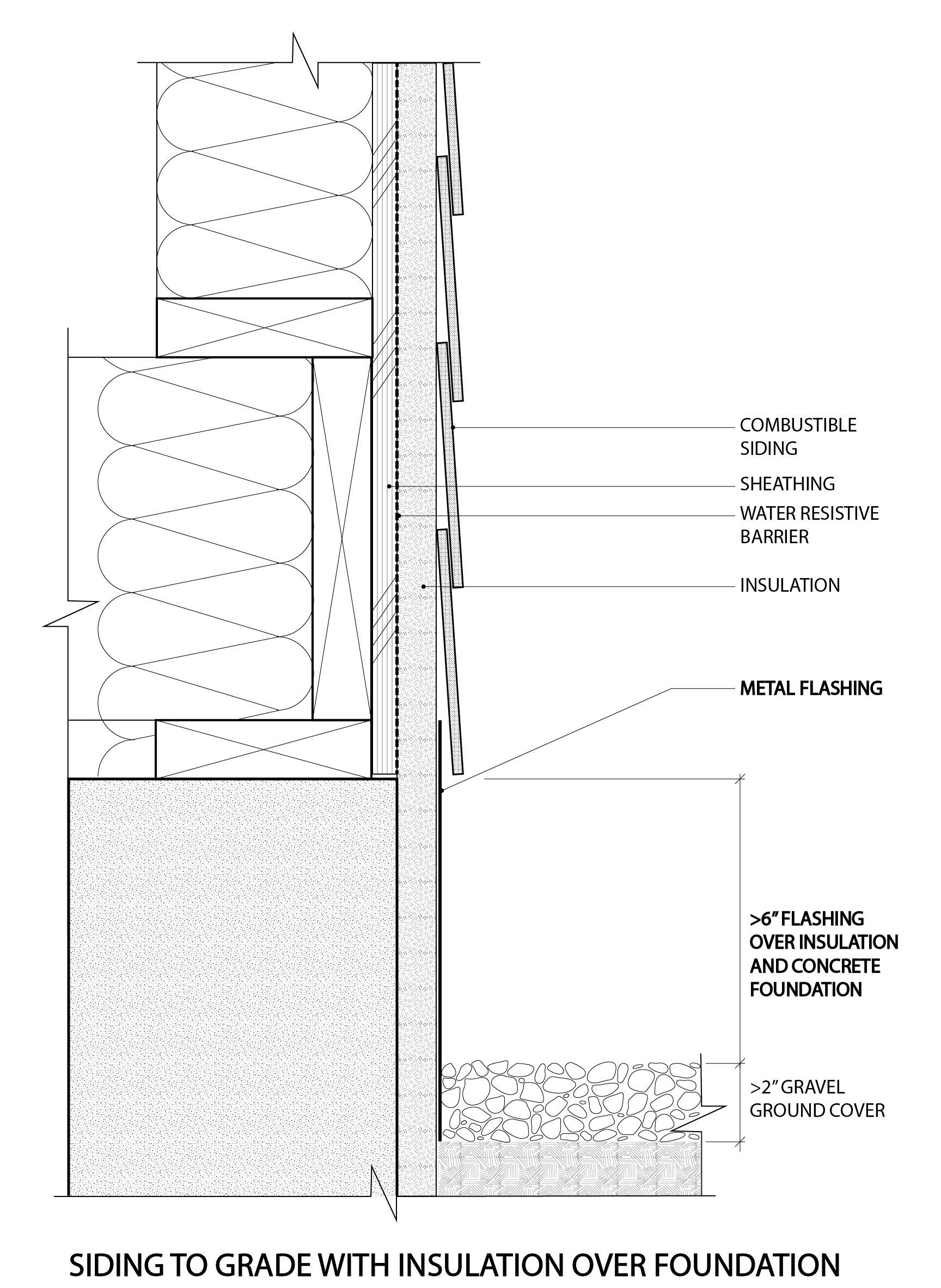
The exterior walls of building or structures in existence prior to adoption of this code where 25 percent or more of the total exterior wall surface area is replaced, or where work to reconstruct, alter or repair the exterior walls effectively replaces the exterior wall material, shall require the entirety of the exterior wall surface area, including attachments, to be replaced with materials required for new construction specified in Section R390.4.6 and subsections, and the immediate zone within 5 feet of the structure shall be made to comply with Section R390.4.12.1, weed barrier and gravel or crushed rock requirements.
Exception:
Existing exterior walls that are compliant with Section R390.4.6.
R390.4.7 Reserved
Reserved for future use.
R390.4.8 Decks, appendages, and projections
Decks and other unenclosed accessory structures attached to buildings shall be constructed of the following materials:
R390.4.8.1 Deck surface:
Approved noncombustible material, approved wood thermoplastic composite lumber (ASTM D7032) with an ASTM E84 flame spread index no greater than 75 or class B rated, ignition-resistant building materials, or any approved Class A roof assembly.
R390.4.8.2 Deck framing:
Deck framing shall be constructed of one of the following:
- Metal
- Heavy timber construction.
- Approved noncombustible materials.
- Fire-retardant-treated wood labeled for exterior use.
- Ignition-resistant building materials.
- Wood with a minimum nominal thickness of at least 2-inches for joists and 2-2x members for beams and columns or posts, fastened tightly together.
R390.4.8.3 Deck Rails:
Horizontal deck rails and guard rails shall be constructed of materials allowed under R390.4.8.1 and R390.4.8.2 where within 5-feet of the exterior walls.
R390.4.8.4 Decks less than 4 feet above finished grade
Decks that are less than 4 feet from finished grade to the deck walking surface above, shall be enclosed with noncombustible corrosion-resistant mesh with openings not to exceed 1/8 inches, or other approved materials. Enclosure shall not restrict clearance required for emergency escape and rescue openings required in IRC section R310 and IBC section 1031. The area beneath the deck shall be cleared of vegetation, debris, building materials, and combustible storage.
R390.4.8.5 Pergolas and similar construction
Pergola framing shall be constructed of one of the following:
- Metal
- Heavy timber construction.
- Approved noncombustible materials.
- Fire-retardant-treated wood labeled for exterior use.
- Ignition-resistant building materials.
- Wood with a minimum nominal thickness of at least 2-inches for joists and 2-2x members for beams and columns or posts, fastened tightly together.
R390.4.9 Exterior windows and glazing
Exterior windows, window walls, glazed doors, windows within exterior doors, and skylights shall be tempered glass, multilayered glazing, glass block, or have a fire protection rating of not less than 20 minutes. Unless they are part of a fire-rated assembly, window frames and sashes may be of any material permitted by this code. Windows with unreinforced vinyl frames or sashes are not permitted.
Exception:
Unreinforced vinyl frames are allowed in Wildfire Zone 2-East County and Wildfire Zone 3-East County.
R390.4.10 Exterior doors
Exterior doors and garage doors shall be approved noncombustible construction, metal clad, solid core wood not less than 1-3/4 inches in thickness, or have a fire protection rating of not less than 20 minutes. Windows within doors and glazed doors shall be in accordance with Section R390.4.9.
Exception:
Vehicle access doors
R390.4.10.1 Vehicle Access Door Perimeter Gap.
Exterior vehicle access doors shall resist the intrusion of embers from entering by preventing gaps between doors and door openings, at the head, sill, and jamb of doors from exceeding ⅛ inch as approved by the AHJ. Gaps between doors and door openings shall be controlled by one of the following methods:
- Weather-stripping products made of materials that: (a) have been tested for tensile strength in accordance with ASTM D638 (Standard Test Method for Tensile Properties of Plastics) after exposure to ASTM G155 (Standard Practice for Operating Xenon Arc Light Apparatus for Exposure of Non-Metallic Materials) for a period of 2,000 hours, when the maximum allowable difference in tensile strength values between exposed and non-exposed samples does not exceed 10 percent; and (b) exhibit a V-2 or better flammability rating when tested to UL 94 (Standards for Tests for Flammability of Plastic Materials for Parts in Devices and Appliances).
- Door overlaps onto jambs and headers.
- Garage door jambs and headers covered with metal flashing.
R390.4.11 Vents
Where provided, ventilation openings for enclosed attics, gable ends, ridge ends, under eaves and cornices, enclosed eave soffit spaces, enclosed rafter spaces formed where ceilings are applied directly to the underside of ceilings are applied directly to the underside of roof rafters, underfloor ventilation, foundations and crawl spaces, or any other opening intended to permit ventilation, either in horizontal or vertical surface, including but not limited to rain screens, shall be in accordance with Section R390.4.11.1 or section R390.4.11.2 to resist building ignition from the intrusion of burning embers and flame through the ventilation openings.
R390.4.11.1 Performance requirements
Ventilation openings shall be fully covered with listed vents tested in accordance with ASTM E2886, to demonstrate compliance with all of the following requirements.
- There shall be no flaming ignition of cotton material during the Ember Intrusion Test.
- There shall be no flaming or ignition during Integrity Test portion of the Flame Intrusion Test.
- The maximum temperature of the unexposed side of the vent shall not exceed 662 degrees Fahrenheit (350°C).
R390.4.11.2 Prescriptive requirements
Where provided, attic ventilation openings, foundation or underfloor vents, or other ventilation openings vertical or horizontal surfaces and vents through roofs shall not exceed 144 square inches each. Such vents shall be covered with noncombustible corrosion resistant mesh with openings not to exceed 1/8-inch (3.2 mm) or shall be designed and approved to prevent flame or ember penetration into the structure.