Boulder County, the Colorado Department of Transportation, and Colorado Parks and Wildlife have made plans for a system of wildlife crossings along U.S. 36 between Boulder and Lyons. The plans include overpasses and underpasses. These structures will make the road safer for drivers and help animals move safely across the highway.

U.S. 36 Wildlife Crossings
Take the Survey
Let us know what you think about proposed wildlife crossings by taking a two question survey. Your feedback will help determine the future of the project.
Action Needed to Reduce Wildlife-Vehicle Collisions
Reducing collisions between wildlife and vehicles on U.S. 36 between Boulder and Lyons has long been a priority. The Eastern Slope and Plains Wildlife Prioritization Study, finished in April 2022, shows this need again. The study was prepared for the Colorado Department of Transportation and Colorado Parks and Wildlife. It lists regional priorities and recommends actions to reduce collisions.
Top 5%
The corridor between Boulder and Lyons, particularly between Nelson Road and Hygiene Road, ranks in the top 5% of areas that need wildlife crossings. It received the highest prioritization score based on factors such as wildlife-vehicle collisions, where deer and elk spend the winter and how many live there, deer and elk migration routes, and traffic volume.
10x Higher
Wildlife collisions in this corridor average 3.2 animals per mile each year, more than 10 times the Boulder County average of 0.26 collisions per mile per year.
Damages
The human cost of wildlife collisions is significant. Each accident typically costs drivers $11,100 in property damages and over $101,000 if injured.
Crash Data
Traffic crash data from 2009-2018 shows wildlife-vehicle collisions are most numerous on U.S. 36 between Boulder and Lyons.


Wildlife Crossings Reduce Accidents
Wildlife crossings, such as overpasses and underpasses, are highly effective at reducing crashes.
The project along State Highway 9 in Grand County cut crashes by 90%.
Fencing and wildlife crossings provide safe passage for wildlife while improving motorist safety.
Wildlife Crossing System Plan
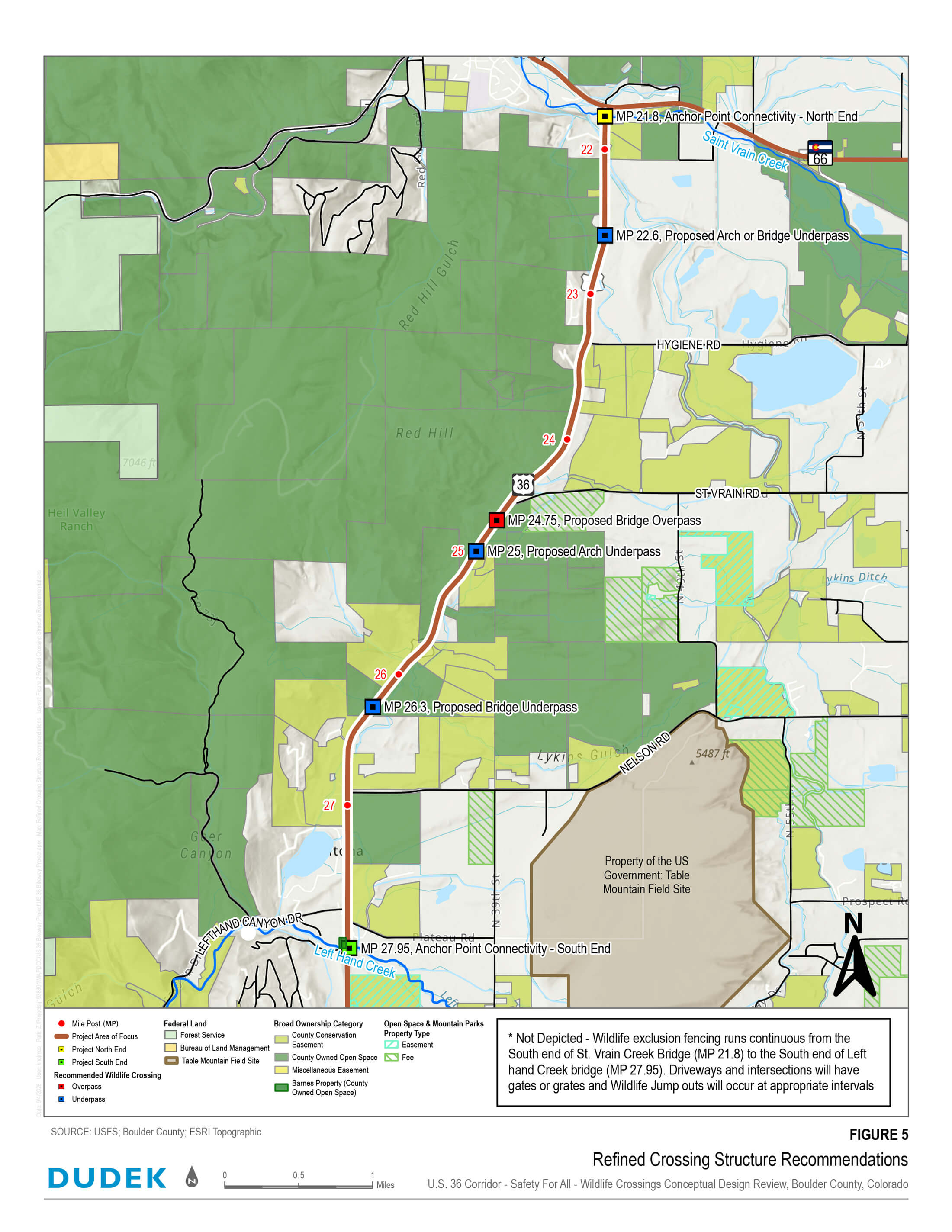
Boulder County worked with Dudek and Eco-Resolutions, experts in how roads affect wildlife. The team reviewed previous plans, wildlife movement patterns, existing infrastructure, construction needs, spacing considerations, and costs to create refined recommendations for a system of wildlife crossing structures and fencing that keeps animals off the road. The Colorado Department of Transportation and Colorado Parks and Wildlife provided input and approved the concepts and designs.
The final recommendations include:
- 1 wildlife overpass at milepost 24.75 (just south of St. Vrain Road).
- 3 wildlife underpasses at mileposts 22.6, 25.0, and 26.3.
- 2 improvements to existing bridge crossings at mileposts 21.8 (St. Vrain Creek) and milepost 27.95 (Left Hand Creek).
- Fencing that keeps many kinds of animals off the road.
- Escape ramps, also called jumpouts, so animals that get onto the road can leave.
- Wildlife guards at driveways, roads, and other supporting structures.
Wildlife Crossing System on U.S. Highway 36 Refined Recommendations
North Foothills Bikeway Project
The North Foothills Bikeway is a proposed biking and walking path along U.S. 36 between Boulder and Lyons. Planners are coordinating the bikeway and the wildlife crossings. They want the designs to fit together so neither project harms the other.
Wildlife Movement
The land along US 36 changes often in height and shape. Because of this, the bikeway will need barrier walls, railings, shoulders separated from the road, slopes cut into or built up on hillsides, and other structures. These structures can block both small and large animals.

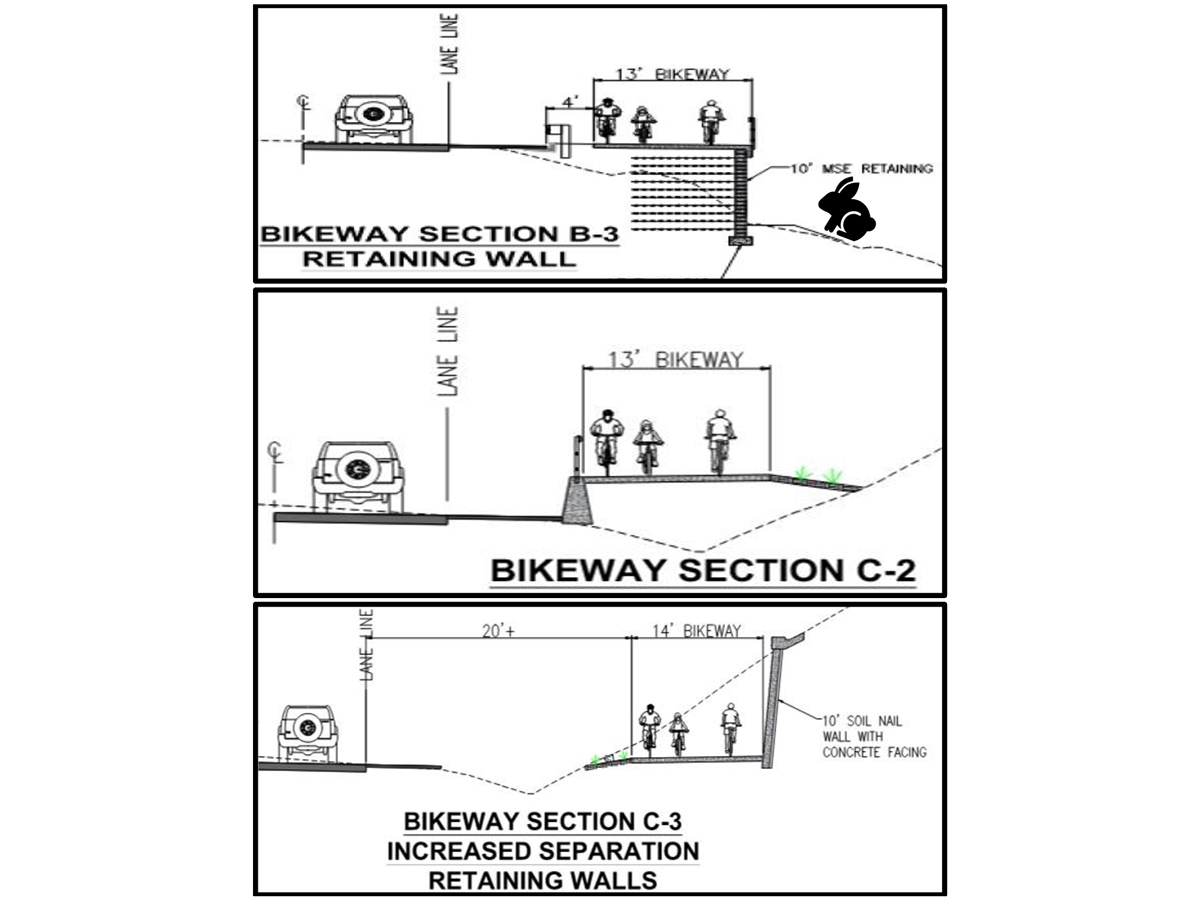
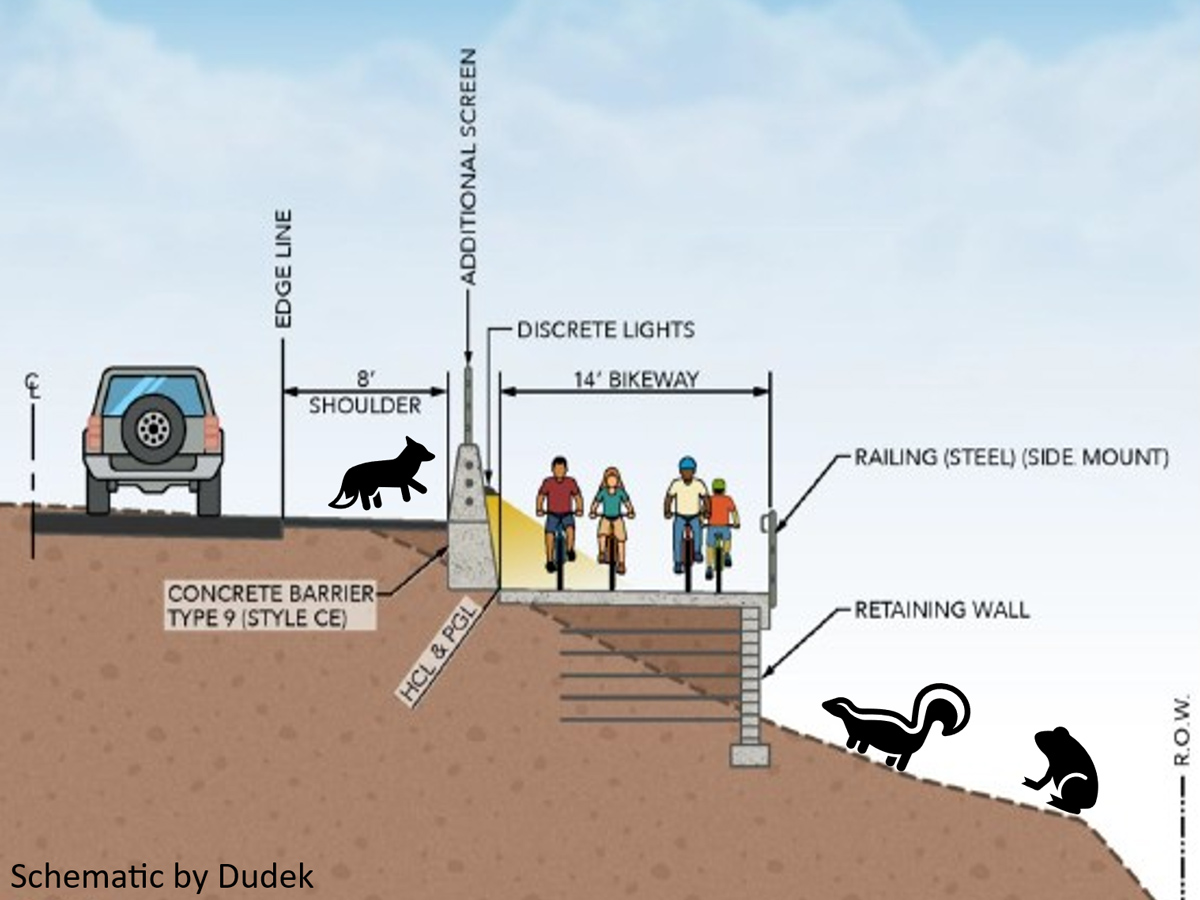
Environmental planners Dudek, Eco-Resolutions, and WSP are helping with the project. They are experts in how roads affect nature and animal movement. The teams use wildlife-friendly designs where possible. Examples include lower barrier walls, culverts with natural bottoms, and slopes without hard surfaces.
Safety for All
The project teams are working on both projects together. They want to build safe and useful roads and paths that meet community needs and improve wildlife connectivity. The teams call this combined effort “Safety for All.” Its goal is to improve safety for drivers, cyclists, pedestrians, and wildlife on this dangerous stretch of road.
Conceptual Wildlife Crossings
The images below are examples of crossing structures and how they may look.

Conceptual design of an underpass crossing under U.S. 36

Conceptual design of an overpass crossing with a separated bike lane looking north

Conceptual design of an overpass with a separated bike lane looking northeast

Conceptual design of an overpass with a separated bike lane looking southwest
CU Student Researchers
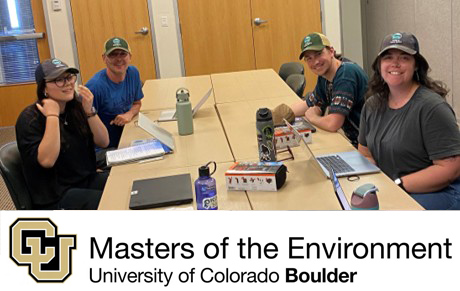
Student researchers from the University of Colorado Boulder Masters of the Environment program are conducting roadkill surveys using remote cameras and walking the corridor. Their data will help the project team find problem areas, especially collisions involving smaller animals which are often not reported.
In the spring of 2026, the student team developed a methodology to guide its roadkill surveys. Learn more about how the team identifies, documents, and monitors animals in the Carcass Count Inventory and Monitoring Methodology.
Previous Public Meetings
Oct. 22, 2024 – Audubon Society
Staff presented information about the project to the Boulder County Audubon Society.
Video of the Oct. 22 Meeting
Aug. 7, 2024 – Information Meeting
Staff presented information about the project. Attendees were able to ask questions and share concerns.
May 15, 2024 – Society for Ecological Restoration
The Society for Ecological Restoration-Rocky Mountain’s group of restoration-minded professionals held a panel discussion about all things wildlife crossing and the importance of implementing these projects from wildlife connectivity and transportation safety perspectives.
Panelists included:
- Ben Goldfarb, Environmental Journalist
- Julia Kintsch, Senior Ecologist at Eco-Resolutions
- Susan Spaulding, Wildlife Biologist at Boulder County
April 25, 2024 – Parks & Open Space Advisory Committee
Staff introduced the project to the Parks & Open Space Advisory Committee.
Staff Memo
Video of the April 25 Meeting
Partner Support
The project has the support of the following agencies and organizations:
- Colorado Parks and Wildlife
- Colorado Department of Transportation
- University of Colorado Boulder Masters of the Environment
- Local municipalities
Additional Resources
- U.S. 36 Wildlife Crossings Project Memo to Board of County Commissioners (April 2024)
- U.S. 36 Wildlife Crossing Assessment, Prioritization, and Cost Estimation Study (Aug. 2024)
- State Highway 9 Wildlife Crossings Mitigation Monitoring
- Wildlife Collision Prevention Program – Optional $5 Vehicle Registration Fee
- Frequently Asked Questions About Wildlife Crossings (ARC Solutions News)
- How wildlife crossings protect both animals and people (CBS News)
- Colorado is becoming a leader in constructing wildlife crossings (Denver 7)
Contact Us
Parks & Open Space
Sharla Benjamin
Project Manager
sbenjamin@bouldercounty.gov
Susan Spaulding
Environmental Resources Specialist
sspaulding@bouldercounty.gov